The Renaissance of Modern Orthodontics
In the realm of dental artistry, few procedures combine technical precision with aesthetic mastery quite like orthodontic treatment. The transformation of misaligned teeth into perfectly harmonised smiles with braces Balwyn represents one of dentistry’s most remarkable achievements, blending centuries-old principles with cutting-edge technology. Today’s orthodontic practitioners approach each case as a unique canvas, crafting personalised treatment plans that honour both function and beauty.
The evolution of orthodontic appliances has been nothing short of revolutionary. Where once patients endured cumbersome metal contraptions, modern orthodontics offers a sophisticated array of treatment options that cater to diverse needs and preferences. From traditional metal braces to virtually invisible aligners, the field has embraced innovation whilst maintaining its commitment to delivering exceptional results.
The Science Behind Tooth Movement
Understanding the science behind how braces move teeth reveals the remarkable biological processes at work during orthodontic treatment. When gentle, consistent pressure is applied to teeth through carefully calibrated appliances, the surrounding bone tissue responds through a process called bone remodelling. This natural mechanism allows teeth to gradually shift into their ideal positions over time.
The periodontal ligament, a thin layer of tissue connecting each tooth to its surrounding bone, plays a crucial role in this process. As pressure is applied, cells within this ligament respond by either building new bone or breaking down existing bone, creating space for teeth to move. This delicate dance between destruction and reconstruction occurs continuously throughout treatment, requiring careful monitoring and adjustment by skilled practitioners.
Personalised Treatment Approaches
Assessment and Planning
Each orthodontic journey begins with a comprehensive assessment that considers facial structure, bite alignment, and individual aesthetic goals. Modern diagnostic tools, including 3D imaging and digital scanning, allow practitioners to visualise treatment outcomes before the first bracket is placed. This technological advancement enables more precise planning and helps patients understand their treatment journey from the outset.
The artistry of orthodontics extends beyond mere tooth alignment. Practitioners must consider how changes will affect facial proportions, lip support, and overall harmony. For residents seeking braces Balwyn offers numerous qualified practitioners who understand these nuanced considerations and approach each case with meticulous attention to detail.
Contemporary Appliance Options
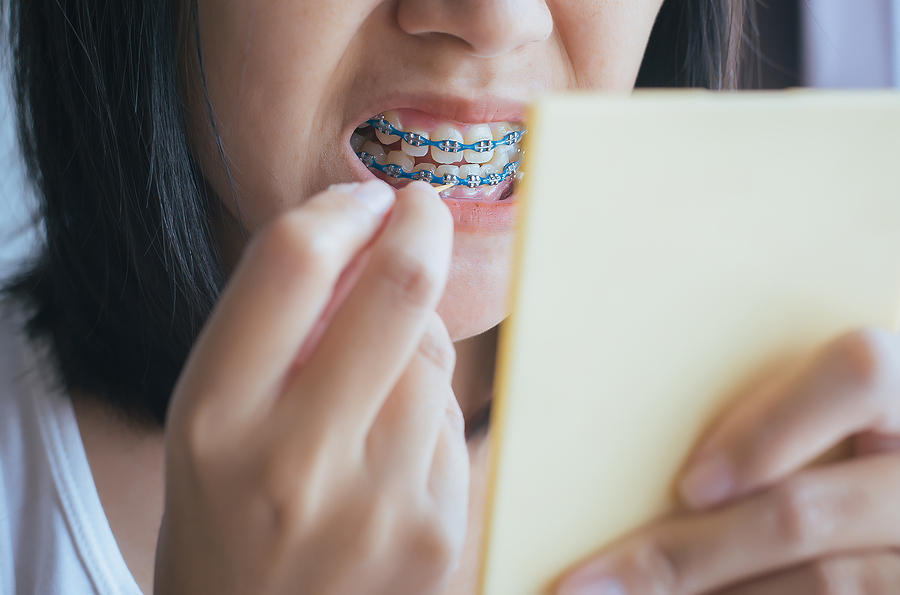
The modern orthodontic landscape offers an impressive array of appliance choices, each designed to address specific needs whilst maintaining aesthetic appeal. Traditional metal braces have been refined to become more comfortable and less conspicuous, whilst ceramic alternatives blend seamlessly with natural tooth colour. Self-ligating systems eliminate the need for elastic ties, reducing friction and potentially shortening treatment duration.
Clear aligner therapy has revolutionised the field by offering near-invisible treatment for suitable cases. These custom-fabricated trays gradually guide teeth into position through a series of incremental movements, allowing patients to maintain their confidence throughout the treatment process. The removable nature of aligners also facilitates improved oral hygiene compared to fixed appliances.
The Art of Smile Design
Modern orthodontics embraces the art and science of creating straight, beautiful smiles through careful consideration of multiple factors. The golden proportion, a mathematical principle found throughout nature and art, often guides practitioners in creating aesthetically pleasing results. Tooth size, shape, and positioning must work harmoniously to complement individual facial features.
Contemporary practitioners also consider the dynamic aspects of smile design, observing how teeth appear during speech and various facial expressions. This comprehensive approach ensures that the final result appears natural and enhances the patient’s overall appearance. The integration of advanced orthodontic techniques and artistic principles has elevated treatment outcomes to new heights.
Technological Integration
Digital technology has transformed orthodontic practice, enabling more precise treatment planning and improved patient communication. Computer-aided design allows practitioners to simulate various treatment scenarios, helping patients make informed decisions about their care. Robotic wire-bending systems create custom archwires with unprecedented accuracy, whilst 3D printing facilitates rapid appliance fabrication.
These technological advances complement the practitioner’s clinical judgement rather than replacing it. The human element remains paramount in orthodontic treatment, as each case requires individualised attention and artistic vision to achieve optimal results.
Achieving Lasting Transformation
The journey towards a transformed smile represents more than mere tooth alignment; it embodies the fusion of scientific knowledge, artistic vision, and personalised care. Through careful planning, precise execution, and ongoing refinement, modern orthodontics continues to elevate the standard of smile transformation, creating lasting changes that enhance both function and aesthetics for years to come.
Any surgical or invasive procedure carries risks. Before proceeding you should seek a second opinion from an appropriately qualified health practitioner.